
Meta Description: Comprehensive technical guide for Honda PCX 150 CVT maintenance, detailing belt, roller, clutch shoe, and intake service procedures.
The Continuous Variable Transmission (CVT) manages power transfer between the primary pulley, secondary pulley, and clutch shoes to deliver optimal scooter propulsion. Scheduled preventive maintenance prevents catastrophic belt failure while restoring factory fuel efficiency and throttle response.
Technical Specifications & OEM Part Numbers
| Component | Service Action | OEM Manual Standard |
|---|---|---|
| Drive Belt | Preventive Replacement | Service limit per manual |
| Variator Rollers | Preventive Replacement | Replace with belt |
| Clutch Shoes | Inspect & Clean | Re-use if within limits |
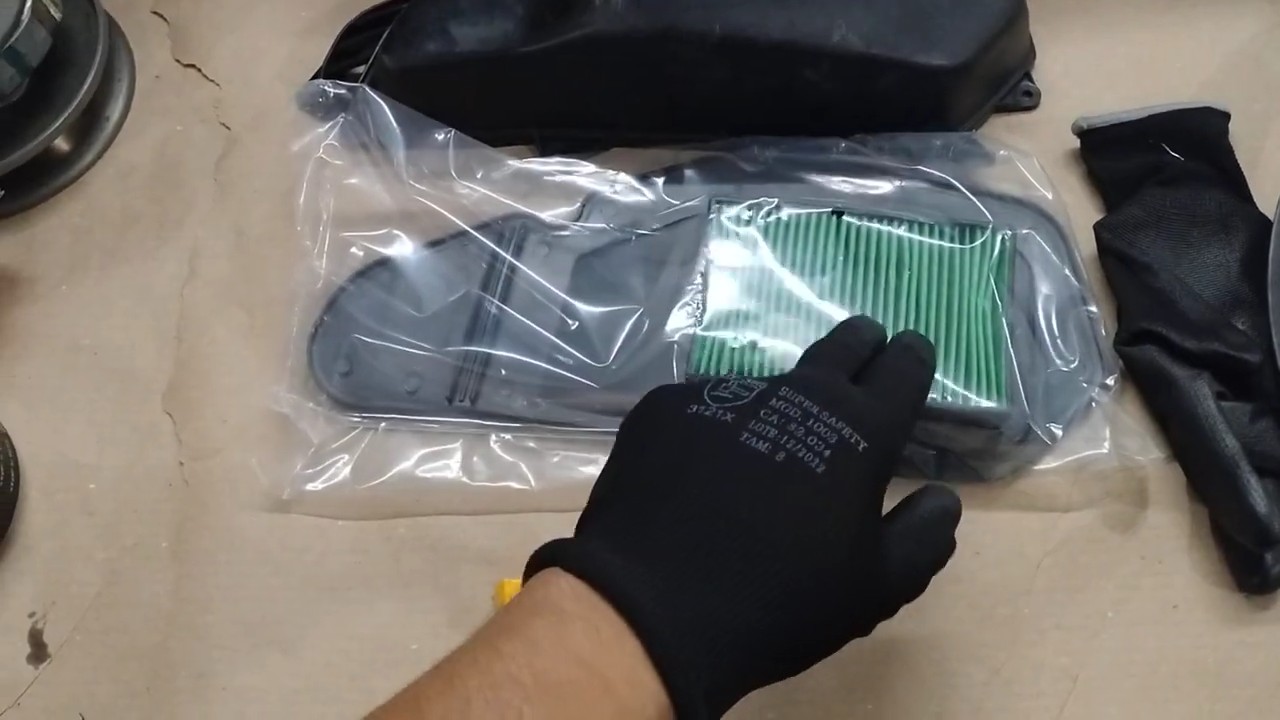
| Air Filter & Spark Plug | Preventive Replacement | Clean TBI & efficient burn |
Required Tools & Torque Settings
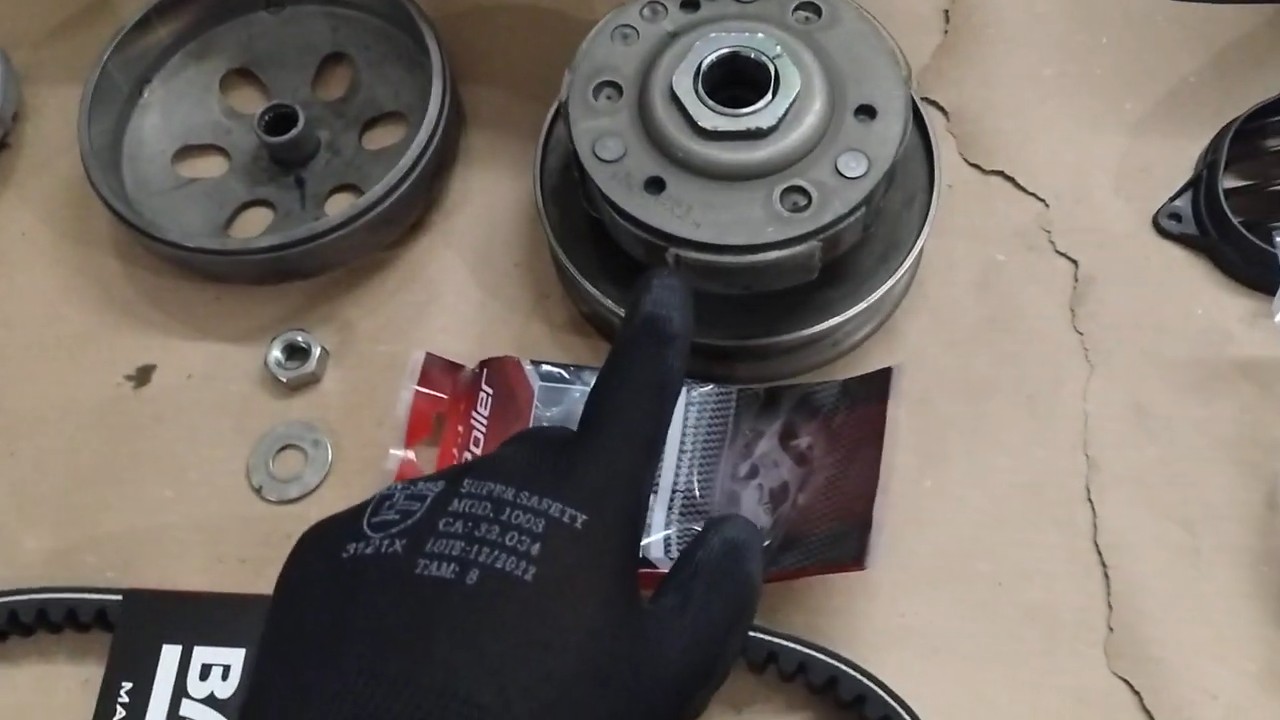
- Variator Holder & Clutch Spanner: Required for counter-holding drive pulleys during disassembly.
- Calibrated Torque Wrench: Must tighten primary and secondary drive nuts to OEM factory torque specifications per service manual.
- Compressed Air & Degreaser: Required to thoroughly clean accumulated clutch dust from the housing.
Diagnostic Symptoms
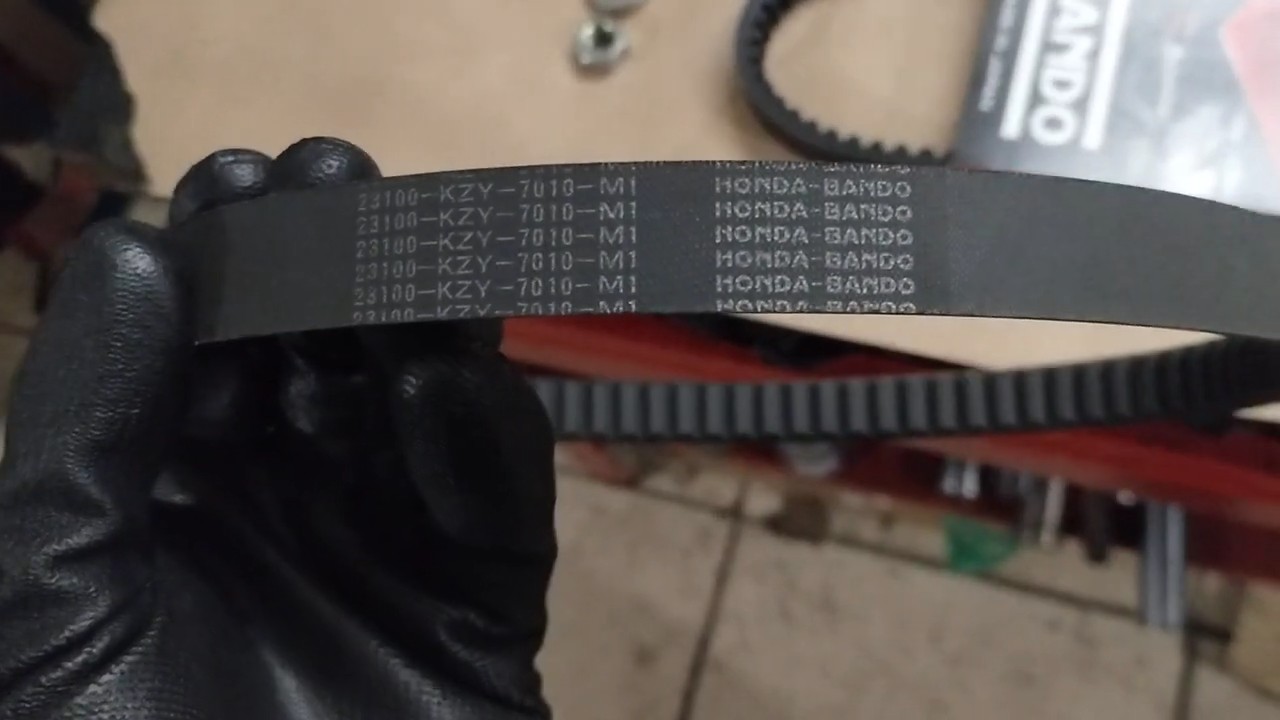
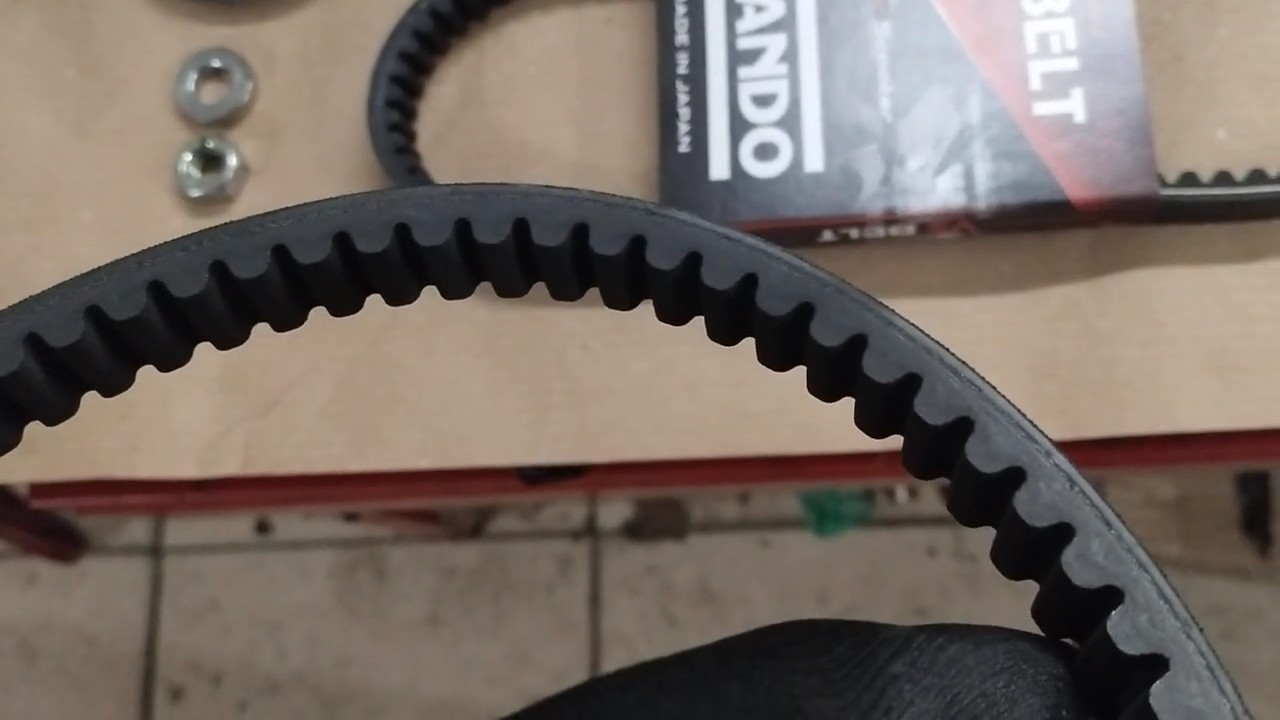
- Total drive loss caused by a snapped transmission belt during operation.
- Sluggish acceleration resulting from flat-spotted variator weight rollers.
- Reduced fuel economy and engine hesitation due to a clogged air filter and degraded spark plug.
Step-by-Step Replacement Guide
- Disassemble the outer CVT cover to access the primary variator and secondary clutch unit.
- Inspect clutch shoes for wear and clean transmission dust according to service manual guidelines.
- Remove the old drive belt and weight rollers, installing fresh OEM replacement parts.
- Reassemble pulleys and torque retaining nuts strictly to factory torque settings.
- Replace the air filter and spark plug preventively to protect the TBI system and optimize combustion efficiency.
Pro-Tip / Field Warning
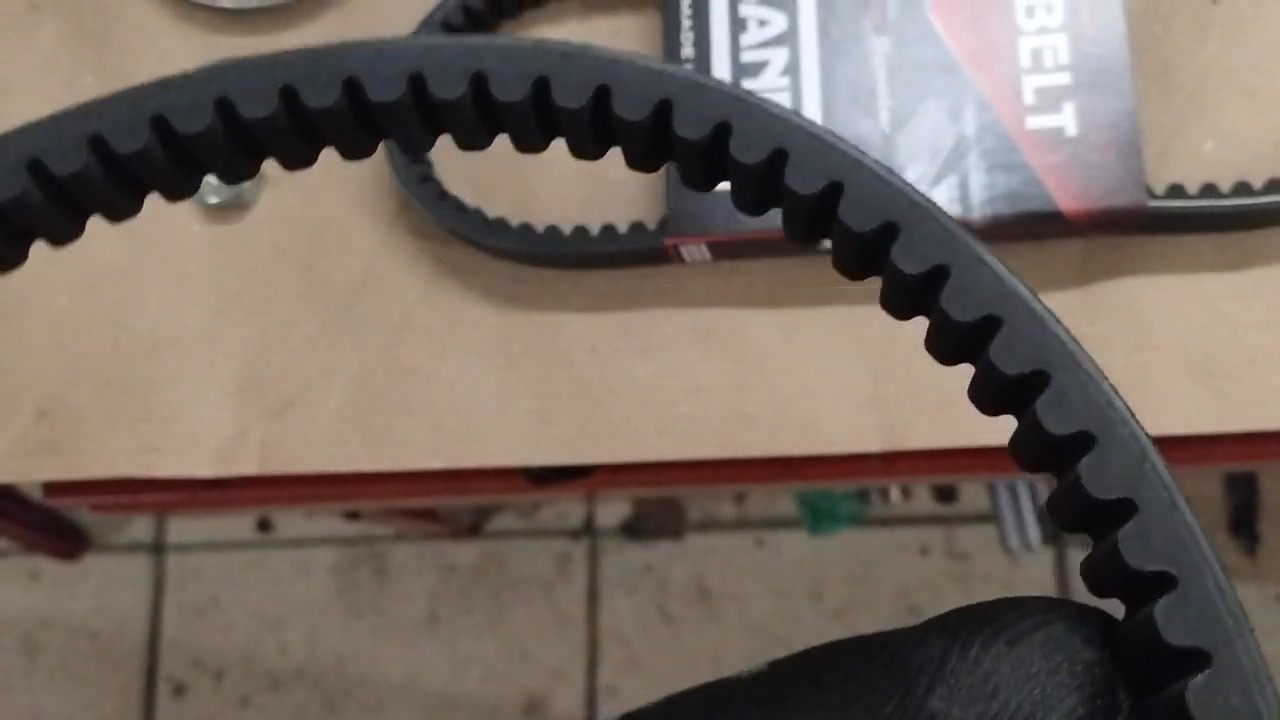
Never delay drive belt replacement until structural failure. A snapped belt can damage internal pulley faces and leave you stranded, whereas timely preventive servicing ensures peak engine performance, TBI cleanliness, and maximum fuel mileage.

About the Author: Gregório
Industrial Administrator & Lean Manufacturing Consultant. Technology enthusiast passionate about bridging industrial process engineering with technical publishing. With a background in waste elimination, standardized specifications, and zero-rework quality control, Gregório curates the Motor Scooter Parts technical database to provide mechanics and DIY riders with field-tested OEM torque tolerances and precision diagnostic standards.